CIOOS and its partners are making knowledge about the oceans more accessible.
What is CIOOS?
The Canadian Integrated Ocean Observing System (CIOOS) [sea-use] is a national web platform for sharing, discovering, and accessing ocean data from across Canada. Data that are integrated into CIOOS meet a suite of data and metadata standards, and they are visible regionally, nationally, and globally.
Our mission
CIOOS Pacific aims for a future where Pacific Canada’s ocean data are seamlessly accessible, discoverable, and actionable.
Our vision
Integrate and share open-access ocean data and tools to advance Pacific Canada’s scientific, economic, and environmental future.
Our history
CIOOS grew out of grassroots interest across academia, non-profits, and government agencies to make ocean data more findable and accessible.
The early seeds of CIOOS grew for nearly a decade before it was formally launched in 2019. CIOOS integrates siloed datasets that are collected by diverse ocean observers across Canada, and it improves data access and standardisation through a suite of centralised tools. CIOOS consists of a national coordinating office and three Regional Associations: Pacific, Atlantic, and the St. Lawrence Gulf Observatory.
As the Pacific Regional Association, CIOOS Pacific is dedicated to the dissemination and management of oceanographic data collected along the west coast of Canada. We work in close collaboration with the world-class universities and oceanographic institutes within British Columbia, Coastal First Nations, the Federal and BC Provincial Government, and fisheries to understand and meet the information needs of our Pacific communities.
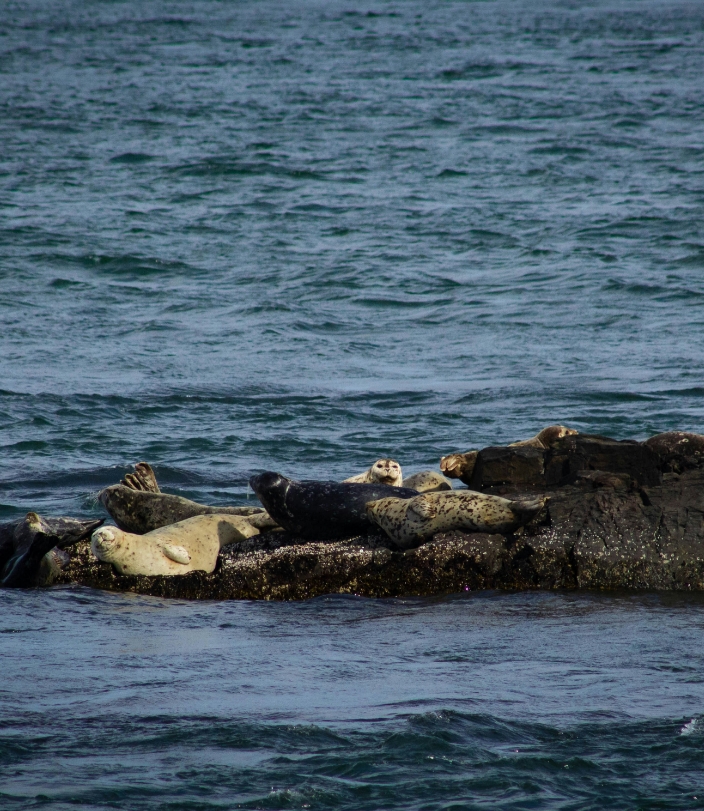
Our organizational structure within Ocean Networks Canada and University of Victoria
CIOOS Pacific is a grant-funded program that is hosted by Ocean Networks Canada (ONC), an Initiative of the University of Victoria. As one of Canada’s largest providers of ocean observing data for the last 20 years, ONC serves as a natural home for the CIOOS Pacific office. The partnership puts CIOOS Pacific at the table for discussions about state-of-the-art ocean observing developments while also enabling close relationships with some of the region’s greatest technical talent around research data management and ocean data science.
Based in Victoria, BC, we acknowledge and respect the lək̓ʷəŋən peoples on whose traditional territory the university stands and the Songhees, Esquimalt and W̱SÁNEĆ peoples whose historical relationships with the land continue to this day.
CIOOS Pacific Team
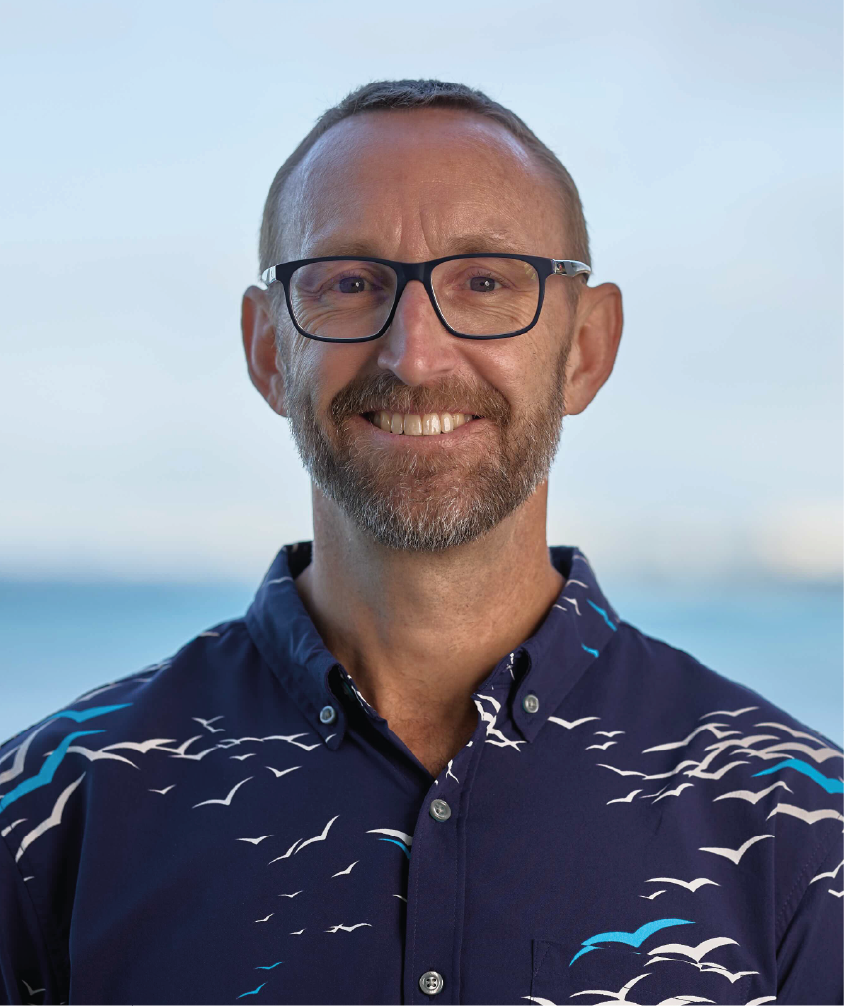
Jordan Watson comes to CIOOS Pacific after decades of ocean science research and leadership roles. He was formerly the Deputy Director for the Pacific Islands Ocean Observing System, Acting Deputy Director for the NOAA Center for Artificial Intelligence, and a fisheries ecosystem modeler for the NOAA Alaska Fisheries Science Center. He has a PhD (University of Alaska Fairbanks) and Masters (University of Washington) in Fisheries, and a BS in Chemistry (University of California Santa Barbara). His role as the CIOOS Pacific Director focuses on leading regional data efforts and integrating those efforts with the CIOOS Coordinating Office and the other Regional Associations. When not thinking about ocean data, Jordan enjoys long-distance trail running, backcountry skiing, and any ocean activities.

Vishal is a Computer Engineer who has experience with Aviation, Grid, E-commerce, and all aspects of software development. After starting with CIOOS Pacific as a Data Management Specialist, he moved into the Technical lead role in 2025. He is particularly interested in automating observability of system processes and data pipelines to ensure more reliable operations for CIOOS data harvesting. He spends as much of his time as possible in Ontario’s outdoors.
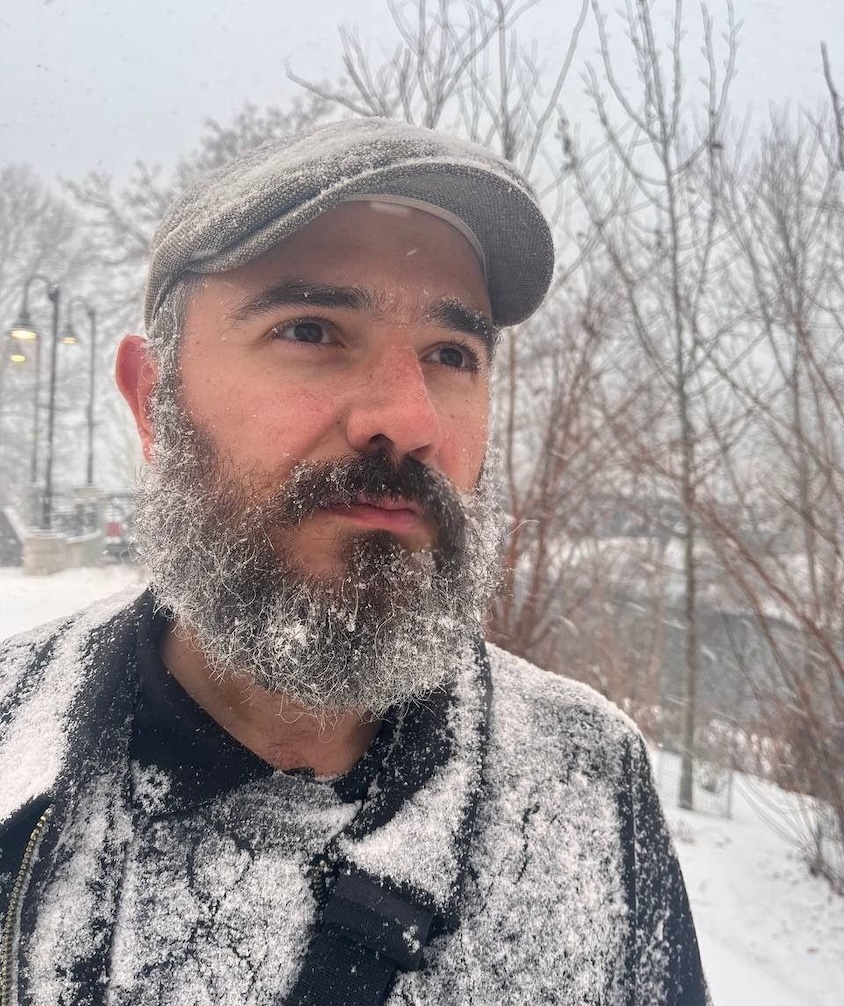
Taimaz joined CIOOS Pacific after years of collaborating with teams on ocean glider data management and technical projects. With a background in climate science and a PhD in Earth system modeling, he has worked on connecting complex models of oceans, ice sheets, and climate. He enjoys making data accessible through maps, animations, and interactive tools that bridge science and the public. Outside of work, he likes hiking, exploring nature through photography (especially the night sky), experimenting with sourdough baking, and taking on creative projects that turn data into engaging stories.
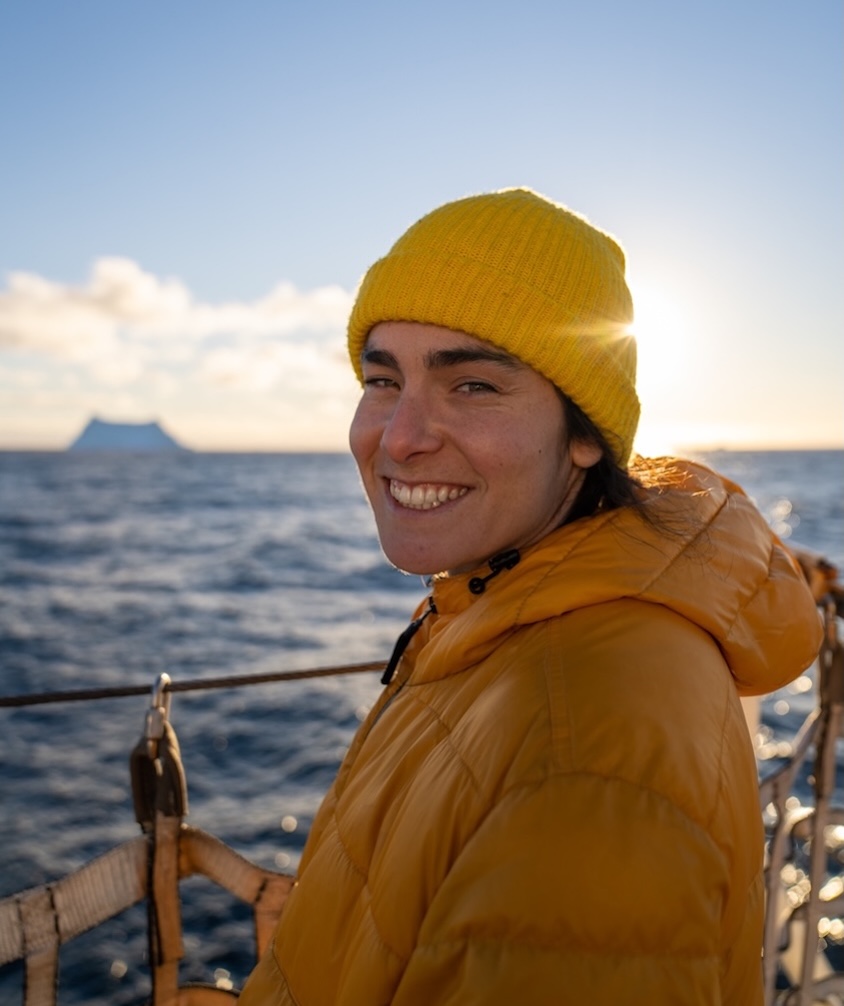
Yayla is a Biogeochemical Oceanographer by training, with interests in the biological carbon pump and expertise in marine primary productivity measurements. While earning her PhD from the University of British Columbia (UBC), she spent many days at-sea deploying instruments and collecting oceanographic data, and subsequently, she taught oceanography at both the University of Victoria and UBC. Since starting at CIOOS in 2025 to co-develop an ocean acidification and hypoxia monitoring tool, Yayla has been leaning on her research network to bring more data users and providers into the CIOOS system. In her free time, Yayla loves exploring BC’s mountains on foot and on skis. She also enjoys foraging, crocheting, free diving and surfing (terribly).
Resources to support science and collaboration
CIOOS Pacific offers a selection of publications, guides and reference documents that support ocean observation practices. These resources share knowledge, promote consistency among initiatives and encourage innovation within the national network.